La potencia de corte por láser es uno de los factores más importantes que determinan la eficacia de esta tecnología, la cual ha revolucionado el sector manufacturero al ofrecer métodos precisos, eficientes y flexibles para el procesamiento de diversos metales. Sin embargo, conseguir el corte perfecto no consiste solo en disponer de una máquina, sino en contar con la a la derecha máquina, y comprender la relación entre la potencia de salida y el grosor del metal es fundamental para tomar esa decisión.
Comprender esta dinámica es fundamental para optimizar tu línea de producción, minimizar los costes operativos y conseguir acabados de bordes de alta calidad. En esta guía exhaustiva, analizaremos todo lo que necesitas saber sobre la potencia del láser, el grosor del metal y cómo realizar la mejor inversión para tu negocio.
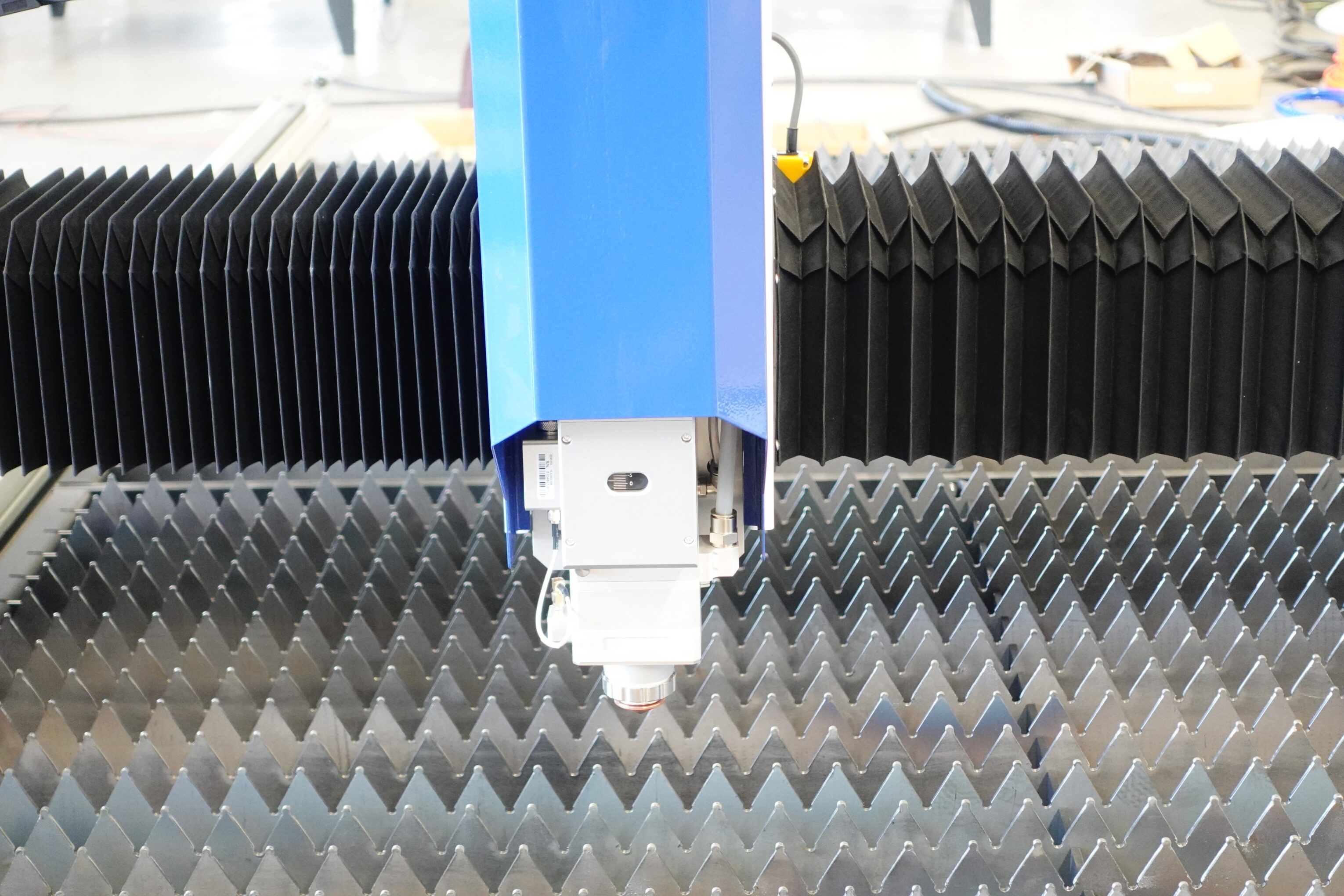
Potencia de corte por láser
1. Comprensión Potencia de corte por láser: Más que un simple número
La potencia del láser, medida en vatios (W), es el factor determinante principal de la capacidad de una máquina de corte por láser. Pero, ¿qué significa esto realmente para tu taller?
El papel de la potencia en el corte
Por lo general, unos niveles de potencia más altos permiten alcanzar velocidades de corte más rápidas y penetrar en materiales más gruesos. Sin embargo, la potencia no es un parámetro válido para todos los casos. Aunque un láser de mayor potencia puede cortar chapas más gruesas, también supone una inversión inicial mayor y un mayor consumo energético. Por lo tanto, encontrar el equilibrio adecuado entre la potencia y tus necesidades específicas de producción es fundamental para maximizar el retorno de la inversión.
Láseres de fibra frente a láseres de CO₂
A la hora de hablar de potencia, el tipo de láser es un factor de suma importancia. Hoy en día, láseres de fibra han sustituido en gran medida a los láseres de CO₂ tradicionales en la fabricación de metales. Los láseres de fibra presentan una eficiencia de conversión electroóptica superior, requieren menos mantenimiento y ofrecen velocidades de corte significativamente mejores en metales reflectantes como el aluminio y el cobre a niveles de potencia equivalentes.
2. Potencia de corte por láser Tabla comparativa del espesor de los metales
El espesor del metal que puede cortar un láser aumenta a medida que se elevan los niveles de potencia. A continuación se muestra una tabla de referencia detallada basada en los estándares actuales del sector para las máquinas de corte por láser de fibra. Tenga en cuenta que estos valores representan los espesores máximos de corte; a menudo, la calidad óptima del borde y la velocidad se consiguen con espesores ligeramente inferiores.
| Potencia del láser | Acero al carbono (espesor máximo) | Acero inoxidable (espesor máximo) | Aluminio (espesor máximo) |
|---|---|---|---|
| 500 W | Hasta 6 mm | Hasta 3 mm | Hasta 2 mm |
| 1000 W | Hasta 10 mm | Hasta 5 mm | Hasta 3 mm |
| 3000 W | Hasta 20 mm | Hasta 10 mm | Hasta 8 mm |
| 6000 W | Hasta 30 mm | Hasta 20 mm | Hasta 20 mm |
| 12 000 W | Hasta 35 mm | Hasta 30 mm | Hasta 30 mm |
| 20 000 W+ | Hasta 60 mm | Hasta 50 mm | Hasta 40 mm |
3. Más allá de la potencia de corte por láser: otros factores fundamentales que influyen en la calidad del corte
Aunque el poder dicta lo que tú... puede Aparte de eso, hay otras variables que determinan cómo bueno puedes cortarlo:
Gases auxiliares: La elección del gas influye considerablemente en la calidad de los bordes. El oxígeno se utiliza habitualmente con el acero al carbono de gran espesor para generar calor exotérmico, mientras que se prefiere el nitrógeno a alta presión para el acero inoxidable y el aluminio, con el fin de conseguir bordes limpios y sin óxido.
Puesto de coordinador: Un ajuste adecuado del foco garantiza la máxima densidad de energía. Los materiales finos requieren que el foco se sitúe en la superficie o ligeramente por encima de ella, mientras que los materiales más gruesos requieren que el foco se sitúe a mayor profundidad dentro del material.
Velocidad de corte: La velocidad debe ajustarse perfectamente a la potencia. Si es demasiado rápida, el láser no penetrará por completo; si es demasiado lenta, el material se sobrecalentará, lo que provocará una formación excesiva de escoria y residuos.
Calidad del haz: Si se mide mediante el factor M², una calidad de haz superior (más cercana a 1) permite que los láseres de menor potencia corten materiales finos con una precisión y una velocidad increíbles.
4. Cómo elegir la potencia de corte por láser adecuada para tu empresa
Elegir el nivel de potencia adecuado es una decisión empresarial estratégica. A continuación, te presentamos tres reglas de oro para la selección:
Adapta la potencia al espesor que más utilices: Si el 80% de tu trabajo consiste en cortar acero inoxidable de 3 mm, una máquina de entre 1.500 W y 3.000 W resulta muy rentable. Comprar una máquina de 12.000 W para esta tarea supondría un derroche de capital y energía.
Planificar el crecimiento futuro: Si sueles trabajar con acero al carbono de 10 mm, pero prevés pasar a 15 mm o 20 mm en los próximos años, invertir ahora en una máquina de 6000 W o 12 000 W puede evitarte tener que actualizarla antes de tiempo.
Analicemos la eficiencia del “punto óptimo”: Una máquina funciona con mayor eficiencia cuando corta entre el 50% y el 70% de su capacidad máxima de espesor. Por ejemplo, un láser de 6000 W ofrecerá las velocidades más altas y la mejor calidad de corte en acero al carbono de 10 mm a 15 mm, en lugar de tener dificultades al llegar a su límite de 30 mm.
5. Tendencias futuras en la tecnología de corte por láser
El sector del corte por láser está evolucionando rápidamente. A medida que avancemos, cabe esperar que:
Adopción de la potencia ultraalta: Los láseres que superan los 30 kW son cada vez más accesibles, lo que reduce drásticamente los tiempos de corte en aplicaciones industriales pesadas, como la construcción naval y el acero estructural.
Integración de la fabricación inteligente: Las cortadoras láser modernas se están integrando con los sistemas IoT y MES, lo que permite el anidamiento automatizado, el mantenimiento predictivo y una integración robótica fluida para la fabricación “sin intervención humana”.
Tecnología de corte por aire: Los avances en los láseres de alta potencia permiten ahora realizar cortes limpios y sin escoria en acero al carbono de gran espesor utilizando aire comprimido, lo que reduce considerablemente el coste operativo de los gases nitrógeno y oxígeno.
Conclusión
Para elegir la máquina de corte por láser adecuada es necesario comprender a fondo la relación entre la potencia del láser y el espesor del metal. Al evaluar sus necesidades actuales en cuanto a materiales, tener en cuenta procesos auxiliares como la selección del gas y planificar la escalabilidad futura, podrá optimizar su proceso de fabricación y obtener resultados excelentes.