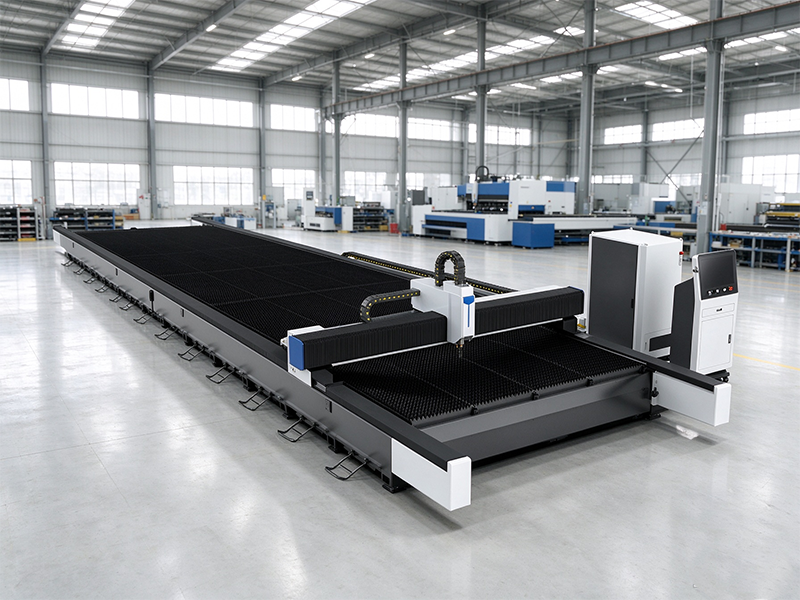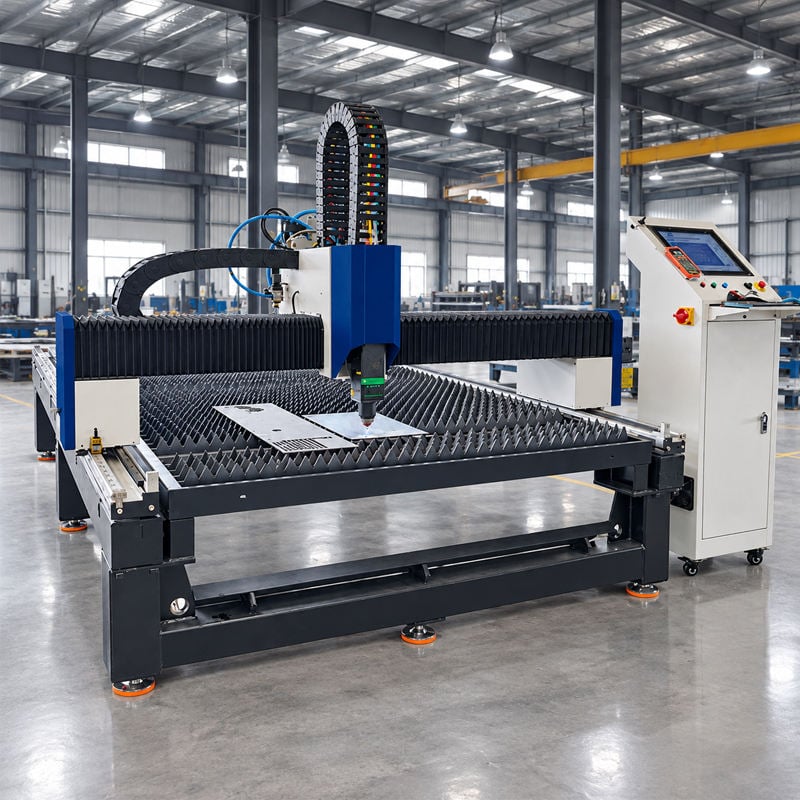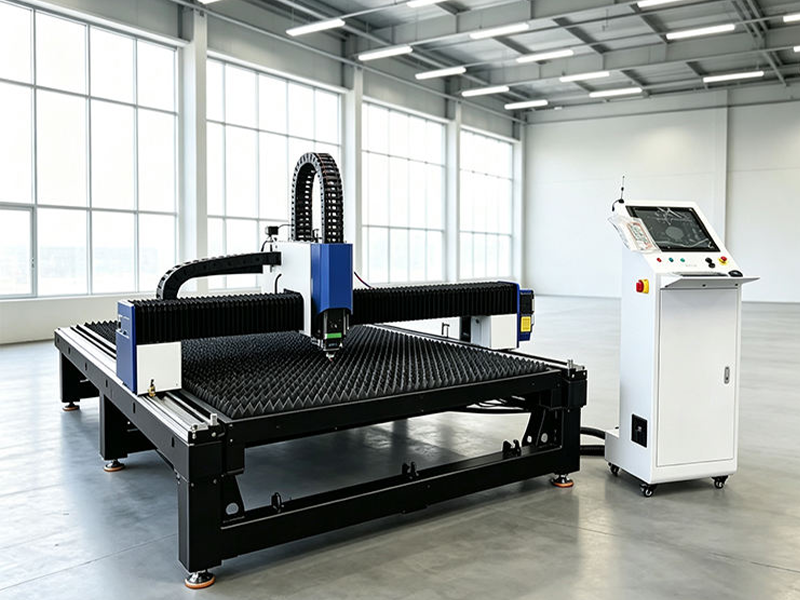
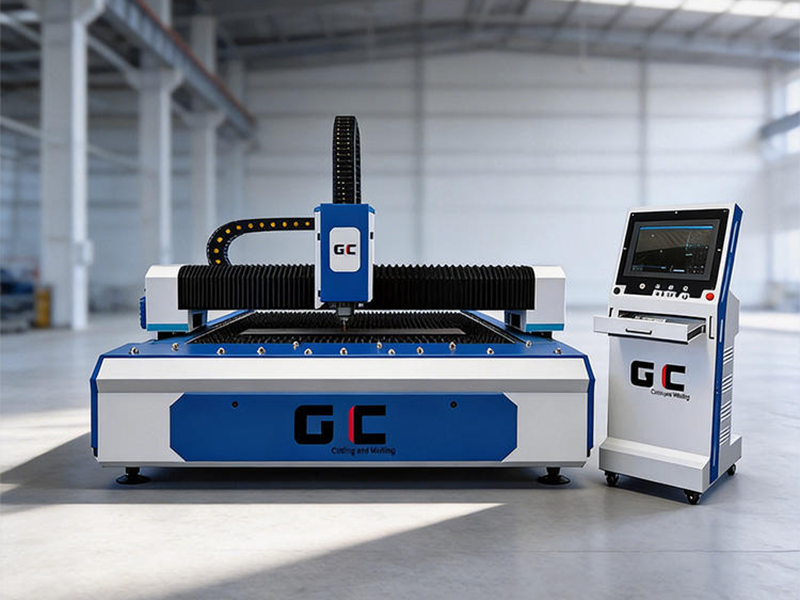
In today’s competitive manufacturing landscape, tolerance control, repeatability, and clean cut quality directly decide whether your parts pass inspection or become costly scrap. A professional precision cutting machine is the core digital tool that transforms CAD drawings into finished components with tight dimensional accuracy, replacing outdated manual cutting, punching, and rough plasma workflows.
Many fabricators confuse “fast cutting” with “precision cutting”. Speed matters, but true precision comes from stable machine frames, high-end servo drive systems, accurate CNC control, optimized cutting heads and intelligent nesting software working together. Modern precision cutting machines are mostly fiber laser CNC systems, and they have become the first choice for metal workshops, OEM factories and custom metal fabrication businesses worldwide.
What Is a Precision Cutting Machine?
Typical positioning accuracy can reach ±0.03 mm, and repeat positioning accuracy stays within ±0.02–0.05 mm. Fine features, small holes and complex contours can be produced batch by batch without obvious dimension drift. This level of stability is impossible for traditional mechanical cutting equipment.
Common types of precision cutting machines for metal fabrication:
- Fiber laser precision cutting machine (sheet metal, carbon steel, stainless steel, aluminum, brass, copper)
- CNC tube / pipe precision laser cutter (round tube, square tube, rectangular pipe, channel steel)
- Waterjet precision cutting machine (heat-sensitive materials, stone, glass, special alloys)
- High-definition precision plasma cutter (thick plate with moderate tolerance requirements)
For most sheet metal workshops, fiber laser precision cutting machines deliver the best balance of speed, edge quality and running cost, so they dominate the current market
Core Benefits of a Precision Laser Cutting Machine
1. Ultra-high cutting accuracy & stable repeatability
The narrow laser kerf allows intricate patterns, tiny slots and closely spaced features. Even in long continuous production runs, each part matches the drawing tolerance. This is critical for assemblies where multiple parts need to fit together perfectlyKASU Laser.
2. Clean, burr-free cutting edges
With proper gas selection (nitrogen for stainless steel, compressed air for carbon steel), most laser-cut parts come off the table with smooth edges. Secondary deburring, grinding and polishing work can be largely eliminated, shortening your whole production cycle and lowering labor cost.
3. Wide material compatibility
A well-configured precision cutting machine handles carbon steel, stainless steel, aluminum alloy, brass, copper, galvanized sheet, and some non-metal materials such as acrylic and wood. One machine supports both thin gauge sheets and medium-thick plates, which helps job shops take mixed orders flexibly.
4. Non-contact cutting, low material distortion
Since the laser beam melts or vaporizes the material instead of pressing it, thin sheets are less likely to bend or warp. The heat-affected zone is very small, ideal for delicate thin metal parts and high-value alloy components.
5. Smart CNC workflow & less material waste
Built-in CAD/CAM nesting software arranges parts automatically to maximize sheet utilization. You can import DXF, DWG files directly, adjust cutting parameters, and preview cutting paths before production. Changeover between different jobs is fast, perfect for high-mix low-volume orders and mass production alike.
Principales applications industrielles
Precision cutting machines serve nearly every advanced manufacturing sector with strict quality requirements:
- Automotive & EV manufacturing: Chassis brackets, interior metal parts, battery housing components, gaskets and mounting frames
- Aerospace: High-strength alloy structural parts, thin sheet components with tight tolerance standards
- Electronics: Shielding shells, conductive brackets, small precision metal parts
- General metal fabrication: Cabinets, enclosures, hardware, decorative metal panels, equipment frames
- Agricultural machinery, energy equipment, and signage industry: Custom metal profiles and decorative cutouts
How to Choose the Right Precision Cutting Machine for Your Workshop
Before purchasing, focus on these practical factors instead of only chasing the highest power:
- Main material and thickness range: 1500W–3000W is the most popular entry-to-mid range for thin and medium sheet metal. 6kW+ suits heavy plate and high-volume production.
- Dimensions de la table de travail: 3015 (3000×1500 mm) is the standard sheet size; 4020 or 6025 suits larger plates and bigger parts.
- Frame and drive structure: Welded stress-relieved bed, linear guide rails and high-performance servo motors guarantee long-term precision. Low-quality frames will lose accuracy after months of heavy use.
- Control system and cutting head: Famous control brands and auto-focus cutting heads reduce piercing failures and improve cutting stability.
- After-sales and local support: Laser source maintenance, spare parts supply and on-site service directly affect your uptime.
Precision Cutting Machine vs Traditional Cutting Methods
| Méthode | Précision | Edge Quality | Distortion | Setup Time |
|---|---|---|---|---|
| Fiber Laser Precision Cutting | ±0.03–0.05 mm | Une bavure nette et minimaliste | Very low | Short |
| Conventional Plasma | Faible | Heavy dross | Moyen | Moyen |
| Punching | Moyen | Good | Moyen | Long (custom dies) |
| Band Saw / Manual Cutting | Pauvre | Rough | Élevé | Long |
If your business keeps rejecting parts, spending too much time on post-processing or losing orders due to unstable quality, upgrading to a reliable precision cutting machine is a high-return investment. It reduces scrap rate, shortens lead time and helps you bid for higher-value precision projects.
Conclusion
Precision is no longer a premium feature for top factories only. Today’s CNC precision cutting machine is affordable, user-friendly and scalable for small job shops and large manufacturing enterprises. When you match laser power, bed size and configuration to your actual material and order mix, you will get stable, repeatable cutting quality and clear advantages in the metal fabrication market.
If you are looking for a dependable precision cutting machine, send us your material type, maximum thickness and sheet size requirement. Our engineering team can recommend a suitable fiber laser cutter solution for your production.