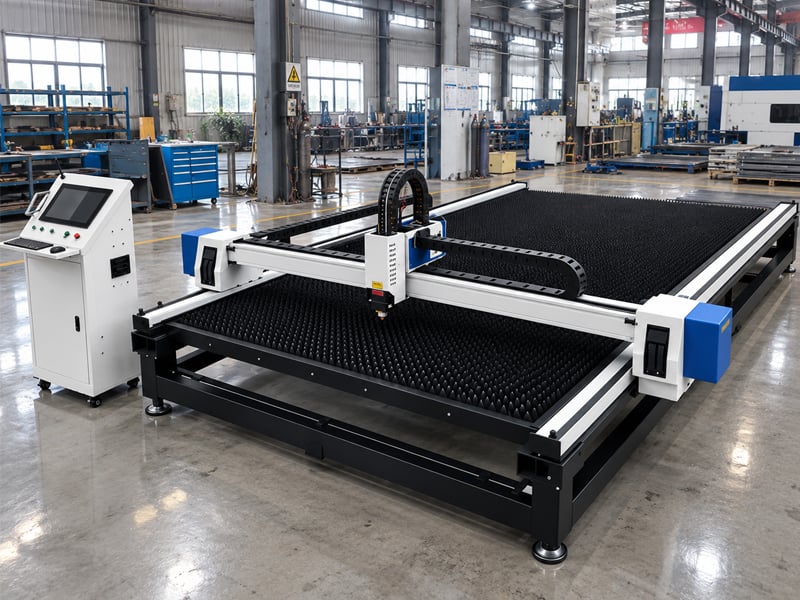
What Is a Metal Laser Cutting Machine?
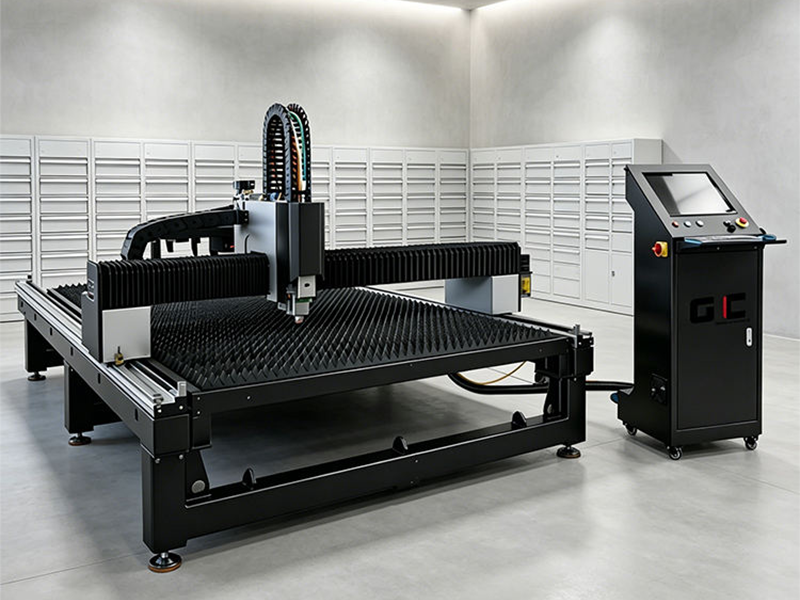
A metal laser cutting machine is a CNC-controlled industrial machine that uses a high-energy focused laser beam to melt, vaporize, or blow away metal material along programmed cutting paths. Most modern industrial models are fiber laser types, the preferred option for metal processing thanks to higher energy efficiency and faster cutting speeds compared to older CO₂ laser systems.
The workflow is simple: import DXF, DWG, or CAD drawings into the CNC control software, set laser power, speed, and assist gas parameters, then start automatic cutting. It is non-contact processing, which means no physical tool wear and consistent cutting results batch after batch.
Core Advantages of Metal Laser Cutting Machine
- Ultra-high precision Typical positioning accuracy reaches ±0.02 mm. Tiny holes, narrow slots, complex curves, and intricate patterns can be cut without extra tooling. This greatly reduces secondary grinding and fitting work, ideal for precision parts and prototype production.
- Clean cutting edge & narrow kerf The heat-affected zone is much smaller than plasma or flame cutting. With proper nitrogen or oxygen assist gas, you get burr-free, smooth edges directly off the machine, saving polishing time and lowering rejection rates.
- Excellent material flexibility A single metal laser cutting machine handles most common industrial metals: mild steel, carbon steel, stainless steel, aluminum, brass, copper, galvanized sheet, titanium alloy, and more. You can switch materials and thicknesses just by adjusting cutting parameters instead of changing tools.
- Faster cutting & lower material waste Laser cutting runs far quicker than traditional cutting. The narrow cutting kerf also maximizes sheet utilization, cutting down material costs especially for expensive stainless steel and aluminum plates.
- Automation-friendly for mass production Equipped with auto-focus cutting head, automatic nesting software, exchange table, and optional tube cutting attachments, it supports long-hour continuous operation, perfect for job shops and large manufacturing lines.
Common Materials & Recommended Laser Power
Power selection is the most important buying factor for your metal laser cutting machine:
- 1500W–3000W: Thin sheet metal, stainless steel, aluminum up to 10 mm; great for small job shops, cabinets, enclosures, signage
- 6000W: Balanced mainstream power; carbon steel up to 20 mm, stainless steel & aluminum up to 16 mm, widely used in general machinery and automotive parts
- 12000W and above: Heavy plate cutting, structural steel, thick aluminum, copper, shipbuilding and heavy equipment fabrication
Assist gas tips:
- Oxygen: Carbon steel cutting, low cost, good edge finish
- Nitrogen: Stainless steel, aluminum, brass; oxidation-free bright edges for welding or painting
- Compressed air: Low-cost cutting for thin non-critical metal sheets
Key Industrial Applications
The metal laser cutting machine serves nearly every metal processing industry:
- Sheet metal fabrication: electrical cabinets, chassis, frames, decorative panels
- Automotive: brackets, chassis parts, exhaust components, interior metal parts
- Machinery & agricultural equipment: structural brackets, guards, mounting plates
- Construction: steel facades, stair parts, HVAC duct components
- Aerospace & medical: thin high-precision stainless and aluminum parts
- Advertising & metal art: custom metal signs, decorative screens, metal crafts
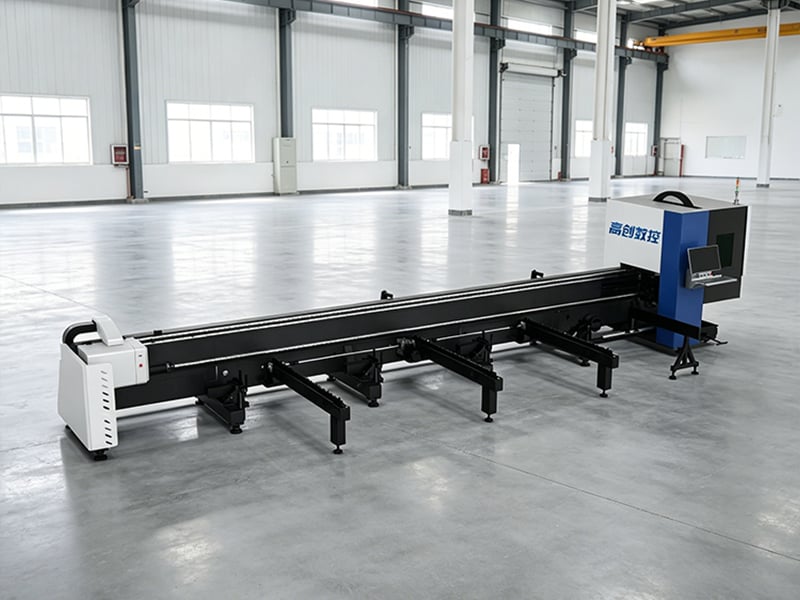
- Tube & pipe processing: round tube, square tube, rectangular pipe cutting (with tube laser attachment)
Metal Laser Cutting Machine vs Plasma / CO2 Laser
Many buyers ask which technology fits their shop:
- Fiber metal laser cutting machine: Best for metal, fast, low power consumption, clean edges, works on reflective metals like aluminum and copper; higher initial investment
- Plasma cutter: Cheaper upfront, suitable for thick rough structural steel; rough edges, heavy slag, low precision
- CO₂ laser: Better for non-metal materials like wood and acrylic; slower and less energy-efficient for metal cutting, rarely chosen for dedicated metal shops today
Must-Have Features When Buying a Metal Laser Cutting Machine
Before you place an order, check these core configurations:
✅ Reliable fiber laser source (Raycus, IPG etc.) for stable long service life
✅ Professional CNC control system and cutting software with automatic nesting
✅ Auto-focus cutting head for automatic thickness adaptation
✅ Industrial water chiller for stable temperature control
✅ Safety protective enclosure, smoke exhaust & dust removal system
✅ Optional exchange table or tube cutting rotary axis for higher productivity
✅ CE certification, local after-sales support, remote diagnosis and operator training
Foire aux questions
Q1: Can a metal laser cutting machine cut copper and brass?
Yes. Copper and brass are highly reflective metals, so you need sufficient laser power and anti-reflection cutting head design. 6kW+ machines work reliably for these materials.
Q2: Is laser cutting suitable for my small workshop?
Absolutely. 1500W–3000W 3015 format metal laser cutting machines are popular for small and medium fabricators. If your cutting volume is stable, bringing laser cutting in-house cuts outsourcing lead time and costs.
Q3: What maintenance does a metal laser cutting machine need?
Daily lens cleaning, regular chiller water replacement, guide rail lubrication, dust removal, and periodic inspection of the laser source and cutting head. Simple routine maintenance keeps the machine running for many years.
Conclusion
Whether you are replacing old plasma equipment, expanding your fabrication capacity, or starting a new metal cutting business, a well-matched metal laser cutting machine directly lifts your competitiveness. It delivers precision, speed, material savings, and flexibility that traditional cutting methods cannot match.
When choosing, do not only compare price. Match laser power, working size (3015, 4020, 6025 etc.), sheet or tube function, and after-sales service to your regular materials and part thickness.
If you want a tailored quotation or parameter test for your metal plates and tubes, contact our team for sample cutting and detailed technical proposal.