Discover why a metal sheet laser cutting machine is the top choice for modern metal fabrication. Learn its benefits, compatible materials, industrial uses and buying tips for your workshop.
Traditional metal cutting methods like plasma cutting, punching and shearing struggle when you need intricate shapes, tight tolerances and fast turnaround for custom sheet metal parts. Today, the metal sheet laser cutting machine has become the backbone of metal fabrication workshops, OEM factories and custom job shops worldwide.
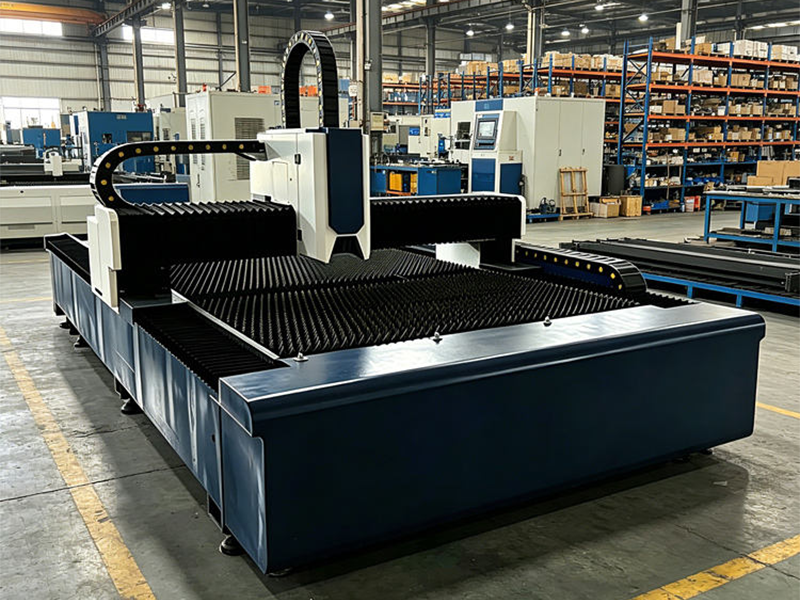
Powered by fiber laser sources and CNC control systems, this machine cuts flat metal sheets with a focused laser beam. It is a non-contact cutting process, which eliminates workpiece deformation and reduces secondary finishing work. Whether you run a small fabrication shop or a large manufacturing plant, understanding how a metal sheet laser cutting machine works helps you boost output and lower production costs.
What Is a Metal Sheet Laser Cutting Machine?
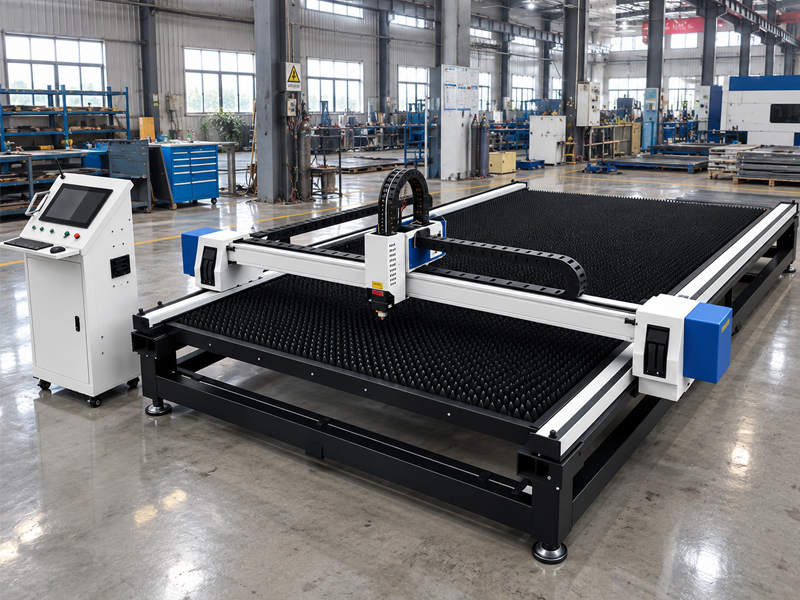
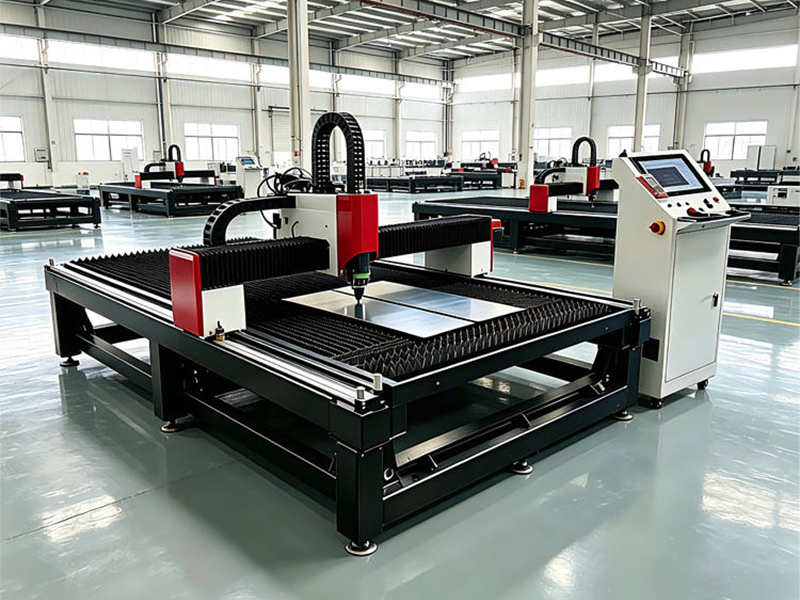
A metal sheet laser cutting machine is a CNC-controlled industrial machine designed to cut 2D profiles on flat metal sheets. Most modern models use fiber laser technology, which delivers higher energy efficiency, faster cutting speed and lower maintenance compared with old CO₂ laser cutters for metal.
Core components include:
- Fiber laser source (1kW to 30kW+ options)
- CNC control system, compatible with DXF, DWG and AI drawing files
- Laser cutting head with height auto-focus
- Assist gas system (oxygen, nitrogen, compressed air)
- Heavy-duty machine bed and servo drive system
- Nesting software to optimize sheet layout and save raw material
The laser melts, burns or blows away the metal along the programmed cutting path. It can produce clean, nearly burr-free edges on most metal sheets.
Key Benefits of a Metal Sheet Laser Cutting Machine
1. Outstanding Cutting Precision
Accuracy can reach ±0.05 mm to ±0.1 mm, ideal for parts that require strict tolerances. Complex patterns, small holes, sharp angles and fine contours that are impossible with stamping or shearing can be finished in one step. No expensive custom molds are required for new designs, perfect for prototype and small-batch orders.
2. Excellent Material Versatility
A standard metal sheet laser cutting machine works on most common industrial metal sheets:
- Mild steel / carbon steel
- Stainless steel
- Aluminum alloy
- Galvanized sheet
- Brass, copper, titanium and alloy sheets
Different assist gases match different materials: oxygen for fast carbon steel cutting, nitrogen for bright, oxide-free stainless steel and aluminum edges.
3. Save Material & Labor Cost
Intelligent nesting software arranges multiple parts on one metal sheet to minimize scrap rate. Since it is non-contact cutting, there is less wear on tools. One operator can manage multiple cutting tasks, and most clean-cut parts skip grinding and deburring steps, shortening your production flow.
4. High Flexibility for Mixed Orders
Switching from one part design to another only takes a few clicks in the CNC software. This huge advantage makes the metal sheet laser cutting machine perfect for mixed batch orders, custom metal cabinets, enclosures, decorative metal panels and prototype projects.
Main Industry Applications
- Automotive: Chassis brackets, body panels, exhaust parts, vehicle interior metal components
- Aerospace: Lightweight aluminum and titanium structural parts with high tolerance requirements
- Electrical & cabinet: Electrical enclosures, control boxes, chassis, heat sinks
- Machinery manufacturing: Equipment frames, protective covers, base plates
- Construction & decoration: Elevator panels, facade metal parts, metal signs, art metalwork
- Medical equipment: Clean precision metal components for medical devices
What to Consider Before Buying a Metal Sheet Laser Cutting Machine
- Laser power: Low power (1kW–3kW) suits thin sheets and small workshops; 6kW–12kW is popular for medium-thickness steel and high-volume production; ultra-high power handles thick metal plates.
- Working size: Common formats: 3015 (3000×1500mm), 4020, 6025, match your regular sheet size.
- After-sales support: Look for suppliers with local service, spare parts stock and training for your operators.
- Software compatibility: Confirm it supports your CAD drawing format and nesting software.
- Running cost: Check power consumption, gas consumption and maintenance cycle.
Common FAQs
Q: What is the difference between fiber laser and CO₂ laser for metal sheet cutting? A: Fiber laser is the mainstream for metal sheet cutting now. It cuts metal faster, saves electricity and needs less maintenance. CO₂ lasers are more suitable for non-metal materials.
Q: Can a metal sheet laser cutting machine cut tubes? A: Standard models are for flat sheets. You can choose an optional rotary axis to add pipe and tube cutting functions.
Q: Does laser cutting leave burrs? A: When parameters are set correctly, edges are very clean. Thick material or improper gas pressure may cause slight dross, which needs simple cleaning.
Conclusion
If you want to improve your sheet metal fabrication capacity, reduce lead time and accept more custom orders, a metal sheet laser cutting machine is one of the most valuable investments for your factory. It combines precision, speed and flexibility that traditional cutting tools cannot match.
As fiber laser prices become more reasonable, more small and medium fabricators are upgrading their workshop with this equipment. Choosing the right power and working area based on your main materials and part sizes will help you get the best return on investment.