Introduction
Unlike punching, plasma cutting or mechanical shearing, precision laser cutting removes the need for custom dies. Engineers and fabricators can turn CAD and DXF files into finished parts quickly, whether for one-off prototypes, small-batch custom components or mass industrial production. For industries where dimensional accuracy and edge quality directly impact assembly and performance, precision laser cutting is no longer an optional upgrade — it is a production standard.
What Is Precision Laser Cutting?
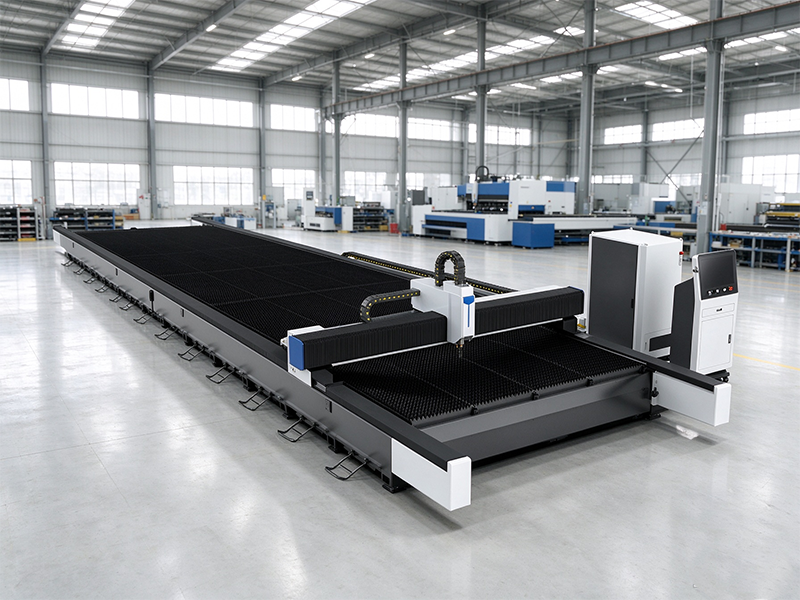
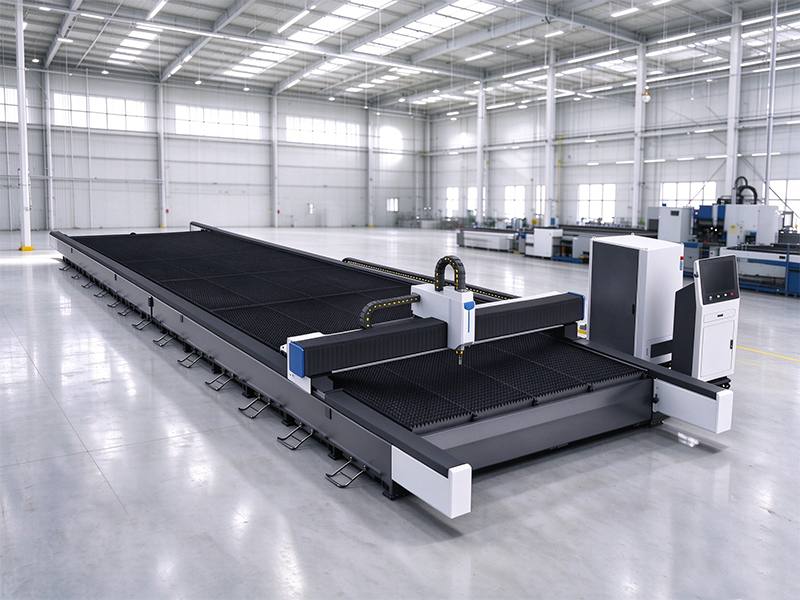
Fiber laser systems are the preferred choice for metal precision cutting. Compared with CO₂ lasers, fiber lasers feature shorter wavelength, better metal absorption, faster cutting speed and lower energy consumption, especially for stainless steel, carbon steel, aluminum, brass and copper sheets and tubes.
Core Benefits of Precision Laser Cutting
1. Unmatched Accuracy & Repeatability
Tight tolerance control ensures every part matches your digital drawing. Automated CNC operation eliminates human error, which is critical for batches requiring interchangeable parts. Clean, oxide-free edges with nitrogen assist gas reduce burrs and often remove the need for deburring, grinding or secondary finishing work.
2. Zero Tooling, Fast Design Iteration
No stamping dies or cutting tools are required. When you modify a design, you only update the CAD file. This drastically cuts lead times for prototyping and new product development. Engineers can test multiple design revisions within a single day, accelerating time-to-market and lowering upfront tooling investment.
3. Excellent Material Utilization
Intelligent nesting software arranges parts tightly on raw sheets to minimize scrap. Optimized nesting raises material yield and reduces material costs, a major advantage for expensive alloys such as stainless steel and aluminum. Even complex nested layouts with shared cutting paths are handled automatically by the laser controllerHan’s Lase….
4. Minimal Distortion & Narrow Heat-Affected Zone
Because the laser beam is highly focused, heat spreads only to a tiny surrounding area. Thin metal sheets stay flat, with less warping and thermal deformation. This stability is essential for thin-gauge electronics enclosures, heat sinks and decorative metal panels.
5. Broad Material & Thickness Compatibility
Quality fiber laser cutters process carbon steel, stainless steel, aluminum, galvanized steel, brass and copper, in both sheet and tube forms. Depending on laser power, they handle thin foils up to medium-thick plates, supporting mixed jobs in one production run.
Key Industrial Applications
- Automotive: Precision brackets, chassis parts, exhaust components and interior structural parts
- Aerospace: Lightweight, safety-critical components requiring strict dimensional consistency
- Electronics & Telecom: Shielding covers, heat sinks, control enclosures and precision frames
- Machinery & Equipment: Custom metal frames, mounting plates, gear blanks and housings
- Medical: Sanitary stainless parts, surgical equipment frames and precision fixtures
- Architectural & Decorative Metal: Decorative panels, screens, signage and custom metal art
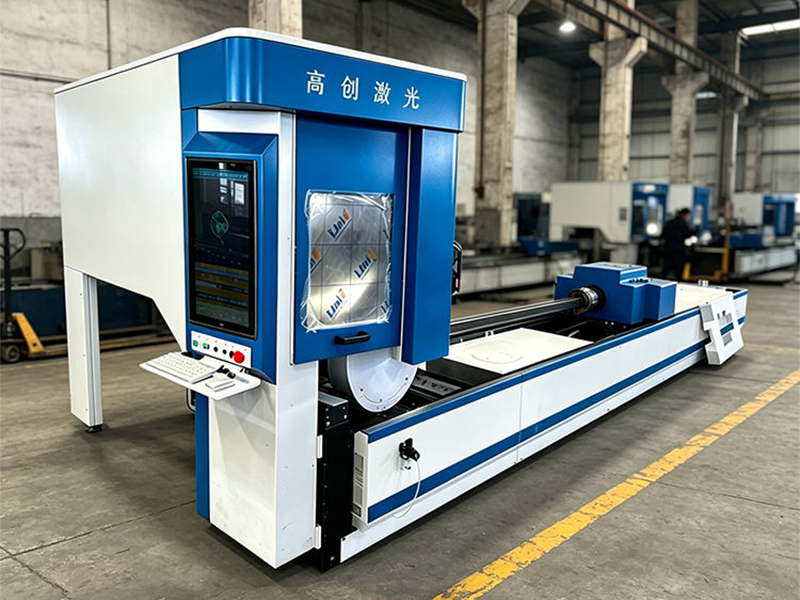
- Tube & Pipe Fabrication: CNC tube laser cutting for structural tubing, pipe frames and hollow profiles
Precision Laser Cutting vs Traditional Cutting Methods
- Vs Punching: Punching is economical for high-volume simple parts but limited by die geometry. Laser cutting handles complex shapes and frequent design changes at far lower setup cost.
- Vs Plasma Cutting: Plasma works for thick plate but produces wider kerfs, rough edges and large heat zones. Precision laser cutting delivers finer details and tighter tolerances.
- Vs Waterjet: Waterjet cuts nearly all materials but runs slower and costs more per part for standard metal sheet jobs. Fiber laser is faster and more cost-effective for most metal fabrication.
FAQ
Q: What tolerance can precision laser cutting achieve? A: Standard fiber laser machines reach ±0.05 mm to ±0.1 mm positional tolerance, subject to material thickness, flatness and machine stability.
Q: Can laser cutting process aluminum and reflective metals? A: Yes. Modern fiber lasers are well suited for aluminum, brass and copper with proper gas and parameter settings.
Q: Does laser cutting leave burrs? A: With nitrogen cutting, edges are nearly burr-free. Oxygen cutting for carbon steel may leave light slag that requires simple cleanup.
Conclusion
Precision laser cutting continues to reshape metal fabrication by combining micron-level accuracy, flexible design freedom and efficient production. Fiber laser technology balances speed, edge quality and operating cost, making it ideal for prototypes, custom parts and industrial serial production.
If you are sourcing reliable fiber laser cutting machines or outsourcing precision metal parts, consistent beam quality, stable machine structure and professional process support directly determine your final part quality.
Ready to discuss your sheet metal or tube laser cutting project? Contact our team to check material compatibility and get a technical proposal.