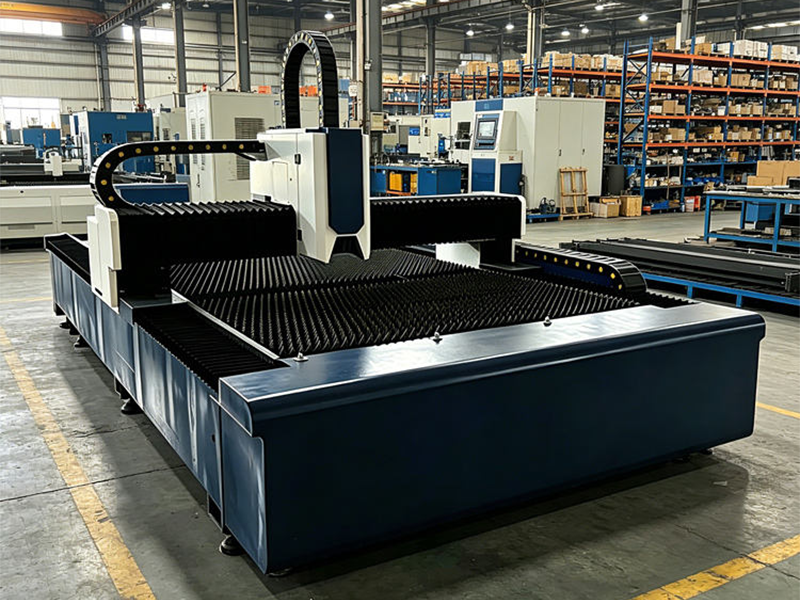
If you run a metal fabrication shop, OEM workshop or custom manufacturing business, you have likely heard the term fiber cutting laser. Over the past decade, fiber laser cutting has replaced plasma, flame cutting and even many CO₂ laser systems to become the preferred solution for metal processing worldwide.
What Is a Fiber Cutting Laser?
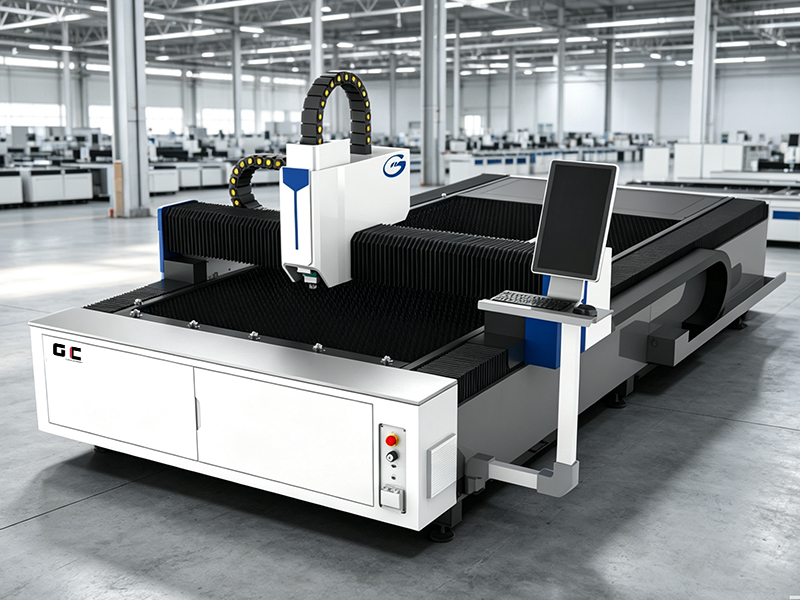
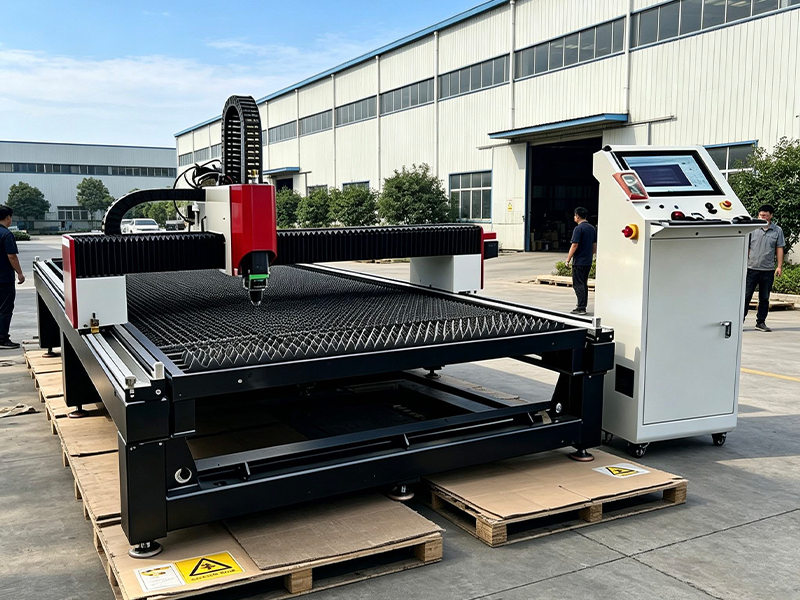
A fiber cutting laser is a CNC-controlled laser cutting system that uses a fiber laser source to generate a high-density, focused infrared laser beam. The beam travels through an optical fiber cable to the cutting head, then melts or vaporizes metal material while assisted by cutting gas (oxygen, nitrogen or compressed air) to blow away molten slag.
Unlike CO₂ lasers that rely on mirror transmission, fiber laser beams are delivered via fiber optic. This design brings better beam stability, higher electro-optical efficiency and fewer vulnerable optical parts. Standard fiber cutting lasers work great for mild steel, stainless steel, aluminum, brass, copper and other reflective metals, which used to be a big challenge for older laser technologies.
Key Advantages of Fiber Cutting Laser
1. Superior Precision & Clean Cut Quality
Fiber laser produces a tiny focused spot, enabling tight tolerances up to ±0.02 mm. The heat-affected zone (HAZ) is very narrow, so workpieces stay flat with minimal deformation. Most cuts come with smooth, burr-free edges, which greatly reduces secondary grinding and finishing work for your parts. Intricate patterns, small holes and complex outlines can all be finished directly from CAD drawings.
2. Faster Cutting Speed & Higher Productivity
For thin and medium metal sheets, fiber cutting laser runs much faster than CO₂ or plasma cutting. For example, 1 mm mild steel can be cut at several meters per minute with a mid-power fiber laser. Fast cutting means shorter lead times, higher daily throughput and better capacity for both small-batch custom orders and mass production. Combined with automatic loading/unloading tables, it fits well into smart factory workflows.
3. Lower Energy Consumption & Less Maintenance
Fiber lasers reach 30%–40% electro-optical conversion efficiency, far higher than CO₂ lasers (around 10%–15%). That means you spend less on electricity for the same cutting workload. Meanwhile, fiber laser structures have fewer moving mirrors and optical components. You do not need frequent mirror alignment, so downtime and maintenance cost are kept low.
4. Excellent Material Versatility
A single fiber cutting laser handles most common industrial metals:
- Acier doux / acier au carbone
- Acier inoxydable
- Alliage d'aluminium
- Brass, copper, galvanized steel
- Titanium and other special alloys
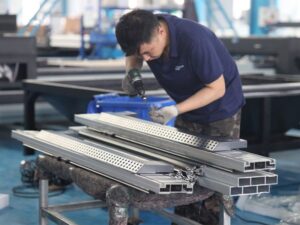
Many models support both sheet metal cutting and tube/pipe cutting (CNC tube laser), perfect for structural parts, frames, chassis and architectural metalworkTRUMPF.
5. Better ROI for Fabrication Businesses
Although the upfront purchase cost is higher than plasma cutters, the long-term savings are obvious: less electricity cost, fewer consumables, less material waste, fewer rejected parts and less labor for post-processing. For metal shops with stable order volume, most fiber laser cutters can reach a good return on investment within several years.
Main Industries Using Fiber Cutting Laser
- Automotive & E-mobility: Chassis brackets, battery trays, body structural parts, exhaust components
- Aerospace: Precision thin alloy parts requiring strict tolerance and low heat distortion
- Sheet metal fabrication: Cabinets, enclosures, HVAC duct, kitchen equipment, metal signage
- Construction & steel structure: Steel frames, decorative metal panels, stair components
- Énergie et énergies nouvelles: Solar brackets, wind power accessories, power cabinet parts
- Agricultural machinery & engineering equipment: Custom metal frames and wear plates
- Furniture & metal decoration: Custom metal art, frame parts, decorative screens
Fiber Cutting Laser vs CO₂ Laser: Quick Comparison
表格
| Article | Fiber Cutting Laser | CO₂ Laser |
|---|---|---|
| Best for | Metals (especially reflective metals) | Wood, acrylic, plastic, non-metal |
| Efficacité énergétique | Élevé | Faible |
| Maintenance | Faible | High (mirror cleaning, alignment) |
| Cutting speed on thin metal | Rapide | Plus lent |
| Beam delivery | Fiber cable | Mirror path |
CO₂ lasers still have their place for non-metal cutting, but fiber cutting laser is the winner for almost all metal fabrication tasks.
How to Choose the Right Fiber Cutting Laser for Your Shop
Before buying, ask yourself these practical questions:
- What metal types and maximum thickness do you cut most often? (1500W, 3000W, 6000W, 12000W+ high power options)
- What sheet size do you need: 3015, 4020, 6025 or larger format?
- Do you need only sheet cutting, or integrated tube laser cutting for round, square and rectangular pipes?
- Do you require automatic loading & unloading system to save labor?
- After-sales service, spare parts supply and local technical support are critical for long stable operation.
Conclusion
Fiber cutting laser is not just a fancy machine — it is a competitive tool for modern metal manufacturers. It combines precision, speed, energy efficiency and flexibility, helping you quote faster, deliver cleaner parts and win more custom metal orders.
As laser sources keep getting more affordable and high-power models become mainstream, more small and medium fabricators are upgrading from old cutting equipment to fiber laser systems. If your shop is still relying on plasma or flame cutting, it is the right time to evaluate whether a fiber cutting laser can lift your production capacity and part quality.
FAQ
Q: Can fiber cutting laser cut wood or acrylic? A: Fiber laser is mainly designed for metals. For acrylic, wood and foam, CO₂ laser is more suitable.
Q: Does fiber laser cutting produce burrs? A: With correct power, gas pressure and cutting speed, fiber laser delivers nearly burr-free cuts. Thick material or wrong parameters may leave slight slag, which can be cleaned easily.
Q: What gas should I use for fiber laser cutting? A: Oxygen for carbon steel; nitrogen for stainless steel and aluminum to get oxidation-free edges; compressed air for low-cost thin sheet cutting.