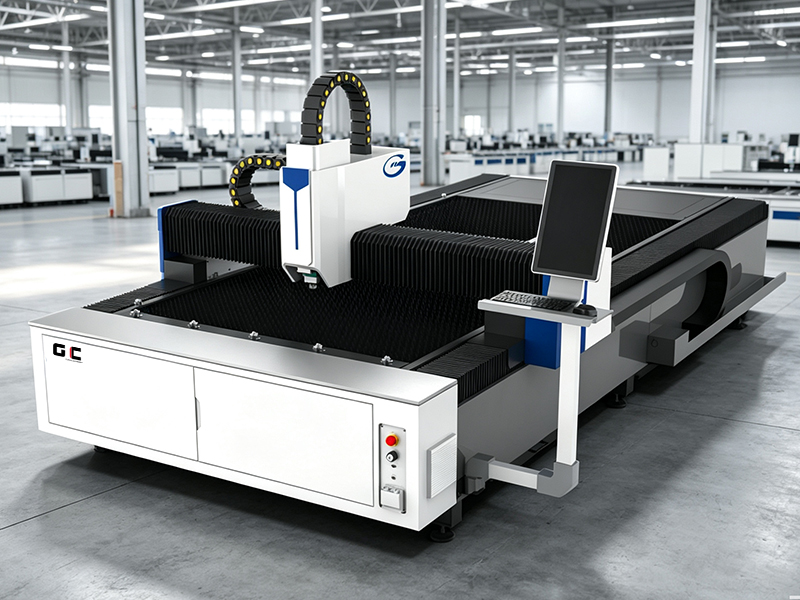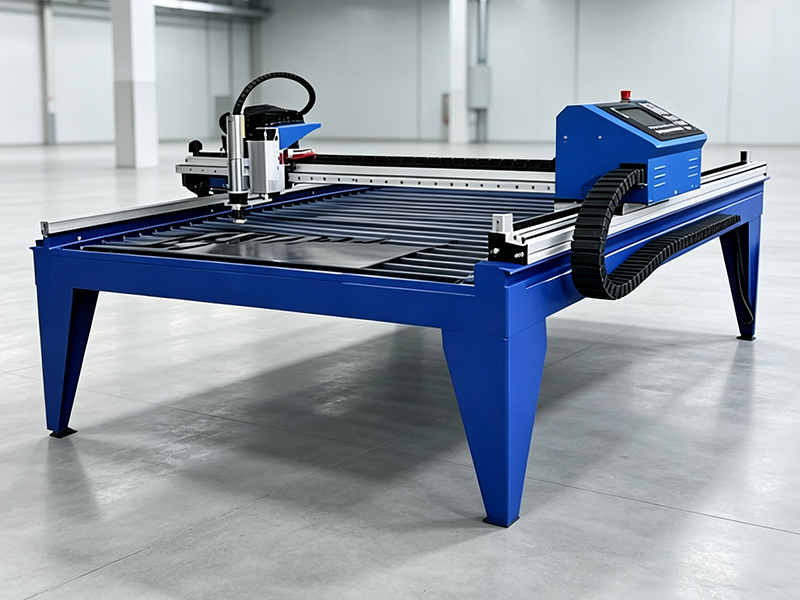
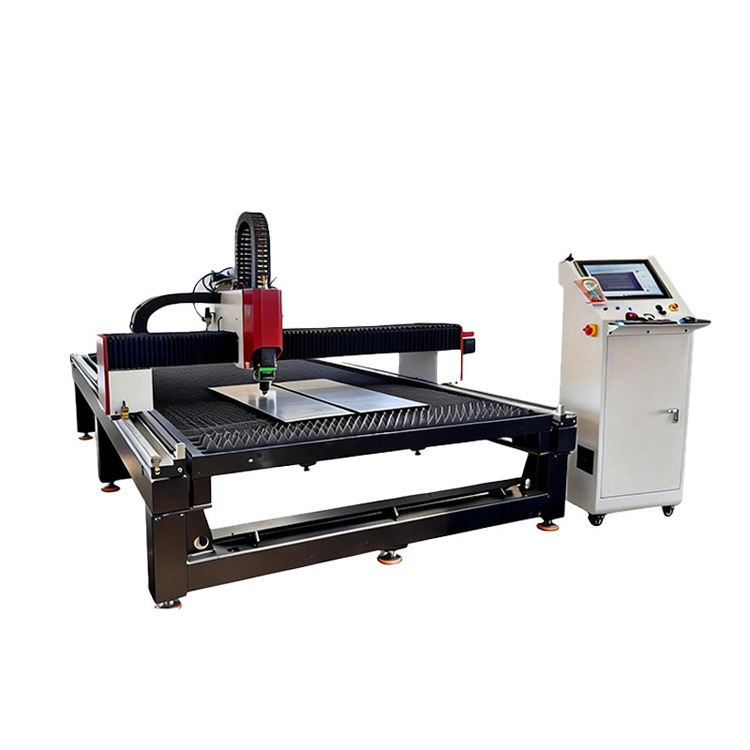
اختيار الخيار المناسب مصدر الطاقة لآلة القطع بالليزر تعد هذه الخطوة من أهم الخطوات التي تسبق تركيب آلة القطع بالليزر الليفي. فقد يؤدي استخدام مصدر طاقة غير مناسب إلى عدم استقرار الجهد الكهربائي، أو انطلاق إنذارات الآلة، أو تلف مصدر الليزر، أو حتى توقف غير متوقع في الإنتاج.
بالنسبة لآلات القطع بالليزر الليفي الصناعية، ولا سيما آلات القطع بالليزر الليفي بقدرة 3000 واط, ، يتعين على العملاء التحقق من أكثر من مجرد الجهد الكهربائي. كما يجب تقييم النظام الكهربائي من حيث الطور، والتردد، والسعة الكهربائية الإجمالية، وقاطع الدائرة، وحجم الكابلات، والتأريض، واستقرار الجهد، ومتطلبات الطاقة للمعدات المساعدة مثل المبرد وضاغط الهواء.
يشرح هذا الدليل النقاط الرئيسية المتطلبات الكهربائية لآلة القطع بالليزر, ، وكيفية تجهيز مصدر الطاقة، وما الذي يجب على المشترين الدوليين التأكد منه قبل شراء آلة القطع بالليزر.
ما هو آلة القطع بالليزر مصدر الطاقة؟
A مصدر الطاقة لآلة القطع بالليزر يشير إلى النظام الكهربائي اللازم لتشغيل آلة القطع بالليزر بالكامل والمعدات الداعمة لها.
يتألف نظام القطع بالليزر الليفي عادةً مما يلي:
- مصدر الليزر الليفي
- نظام التحكم بالقطع باستخدام الحاسب الآلي (CNC)
- المحركات المؤازرة
- رأس القطع
- مبرد
- نظام العادم أو نظام جمع الغبار
- ضاغط الهواء
- خزانة التحكم الكهربائية
- المعدات الكهربائية المساعدة
لذلك، فإن القدرة المقدرة لليزر، مثل 3000 واط، لا لا تمثل إجمالي استهلاك الطاقة الكهربائية للجهاز بأكمله.
على سبيل المثال، أ آلة القطع بالليزر الليفي بقدرة 3000 واط قد يستخدم مصدر ليزر بقدرة 3000 واط، لكن النظام الكامل يتطلب أيضًا طاقة كهربائية لتشغيل قاعدة الآلة والمحركات ونظام التحكم الرقمي (CNC) ووحدة التبريد ومراوح التبريد والمعدات المساعدة الأخرى.
ولهذا السبب يجب على العملاء التأكد من اكتمال مصدر الطاقة لآلة القطع بالليزر بدلاً من الاكتفاء بالنظر إلى قوة مصدر الليزر بالواط.
متطلبات مصدر الطاقة لآلة القطع بالليزر
أهم معلمات جهاز مصدر الطاقة لآلة القطع بالليزر وهي الجهد، والطور، والتردد، والسعة الكهربائية الإجمالية، وجودة الطاقة.
متطلبات الجهد الكهربائي لآلة القطع بالليزر
تستخدم معظم آلات القطع بالليزر الليفي الصناعية مصدر طاقة ثلاثي الأطوار.
أحد التكوينات الشائعة هو:
ثلاثي الأطوار، 380 فولت، 50 هرتز
تم تصميم العديد من آلات القطع بالليزر الصناعية على أساس نظام كهربائي ثلاثي الأطوار وخماسي الأسلاك. كما تقدم بعض الشركات المصنعة تكوينات مثل 380 فولت/50 هرتز أو 380 فولت/60 هرتز، اعتمادًا على السوق المستهدفة والتصميم الكهربائي.
يجب دائمًا التأكد من متطلبات الجهد الفعلي من المواصفات الكهربائية للجهاز قبل التركيب.
على سبيل المثال، قد تتضمن مواصفات آلة الليزر الليفي الصناعية النموذجية ما يلي:
- الجهد الكهربائي: 380 فولت تيار متردد
- الطور: ثلاثي الأطوار
- التردد: 50 هرتز
- التوصيلات الكهربائية: ثلاثية الأطوار، خماسية الأسلاك
- تفاوت الجهد: وفقًا لمواصفات الشركة المصنعة
يمكن لبعض أنظمة الليزر الليفي الحديثة أن تدعم نطاقًا أوسع من الجهد والتردد، مثل 380–400 فولت و50/60 هرتز، ولكن لا ينبغي أبدًا افتراض ذلك دون الحصول على تأكيد من الشركة المصنعة.
متطلبات مراحل آلة القطع بالليزر
عادةً ما تتطلب آلات القطع بالليزر الليفي عالية الطاقة الطاقة ثلاثية الأطوار.
يُفضل استخدام التيار الكهربائي ثلاثي الأطوار لأن مصدر الليزر والمحركات المؤازرة ووحدة التبريد والمكونات الأخرى عالية الطاقة يمكن أن تشكل عبئًا كبيرًا على النظام الكهربائي.
بالنسبة لـ آلة القطع بالليزر الليفي بقدرة 3000 واط, ، يُعد التيار الكهربائي ثلاثي الأطوار عمومًا التكوين الموصى به للإنتاج الصناعي.
يمكن للطاقة ثلاثية الأطوار أن توفر:
- توزيع أفضل للحمولة
- تشغيل أكثر استقرارًا
- زيادة السعة الكهربائية المتاحة
- توفير دعم أفضل للمعدات المساعدة عالية الطاقة
- تقليل مخاطر التحميل الزائد على مرحلة واحدة
قد تستخدم آلات الليزر المكتبية أو ذات الحجم الصغير ذات الطاقة المنخفضة طاقة أحادية الطور، ولكن لا ينبغي الخلط بينها وبين معدات القطع بالليزر الليفي الصناعية عالية الطاقة.
متطلبات التردد لآلة القطع بالليزر
يُعد التردد عنصراً مهماً آخر في مصدر الطاقة لآلة القطع بالليزر.
تشمل المواصفات الصناعية الشائعة ما يلي:
- 50 هرتز
- 60 هرتز
- 50/60 هرتز
لا ينبغي توصيل جهاز مصمم للعمل بتردد 50 هرتز فقط تلقائيًا بمصدر طاقة بتردد 60 هرتز.
قبل تصدير آلة القطع بالليزر، يجب على الشركة المصنعة التأكد مما إذا كان مصدر الليزر، ووحدة التبريد، ومحركات السيرفو، والمحولات، ونظام التبريد، والمكونات الكهربائية تدعم التردد المحلي للعميل.
مصدر طاقة لآلة القطع بالليزر الليفي بقدرة 3000 واط
A مصدر طاقة لآلة القطع بالليزر الليفي بقدرة 3000 واط يتطلب هذا الأمر اهتمامًا خاصًا لأن إجمالي الطلب على الطاقة الكهربائية أعلى من ذلك المطلوب لآلة قطع بالليزر صغيرة الحجم.
من المهم فهم الفرق بين:
طاقة الليزر ≠ الطاقة الكهربائية الإجمالية للجهاز
تشير القيمة المقدرة بـ 3000 واط إلى قوة الخرج الضوئية لمصدر الليزر. ولا يعني ذلك أن الجهاز بأكمله يستهلك ببساطة 3 كيلوواط من الكهرباء.
يمكن أن يشمل الحمل الكهربائي الفعلي ما يلي:
| المعدات | المتطلبات الكهربائية |
|---|---|
| مصدر ليزر ليفي بقدرة 3000 واط | يعتمد ذلك على الشركة المصنعة لمصدر الليزر |
| نظام التحكم الرقمي (CNC) | طاقة منخفضة |
| المحركات المؤازرة | يعتمد ذلك على تكوين الجهاز |
| مبرد | حمل مساعد كبير |
| ضاغط الهواء | يعتمد ذلك على سعة الضاغط |
| جهاز تجميع الغبار | يعتمد على الإعدادات |
| خزانة الكهرباء الخاصة بالآلة | يعتمد على المكونات |
لذلك، فإن الطريقة الصحيحة هي حساب الاحتياجات الكهربائية لـ نظام قطع بالليزر متكامل.
عادةً ما تحدد الشركات المصنعة لآلات القطع بالليزر الصناعية متطلبات الطاقة ثلاثية الطور، ولكن يجب الحصول على السعة الإجمالية الدقيقة من المخطط الكهربائي للآلة أو من المواصفات الفنية، بدلاً من تقديرها استنادًا إلى قوة الليزر بالواط وحدها.
المتطلبات الكهربائية لآلة القطع بالليزر: سعة الطاقة
يجب أن تكون السعة الكهربائية للورشة أعلى من الحمل التشغيلي الفعلي للآلة.
على سبيل المثال، إذا كانت الآلة الكاملة والمعدات المساعدة تتطلب سعة معينة بالكيلو فولت أمبير (kVA)، فيجب أن يوفر نظام التوزيع في الورشة هامشًا كافيًا لضمان التشغيل المستقر وأحمال بدء التشغيل.
عند تحديد السعة المطلوبة، يجب مراعاة ما يلي:
- مصدر الليزر
- آلة أدوات
- مبرد
- ضاغط الهواء
- جهاز تجميع الغبار
- المحركات المساعدة
- المعدات الأخرى المتصلة بنفس النظام الكهربائي
ينبغي دائمًا إعطاء الأولوية للقدرة المقننة للقاطع ومواصفات الكابل التي توصي بها الشركة المصنعة على الحسابات العامة.
الكيلوواط مقابل الكيلوفولت-أمبير لآلات القطع بالليزر
يخلط العملاء أحيانًا بين الكيلوواط (kW) والكيلوفولت أمبير (kVA) عند مناقشة مصدر الطاقة لآلة القطع بالليزر.
- كيلوواط تمثل الطاقة النشطة.
- كيلو فولت أمبير تمثل القدرة الظاهرية.
- معامل القدرة يحدد العلاقة بين الكيلوواط (kW) والكيلو فولت أمبير (kVA).
بالنسبة للمعدات الصناعية، قد يتم تحديد نظام التوزيع الكهربائي بوحدة kVA، في حين قد يتم تحديد القدرة المقننة للمكونات الفردية بوحدة kW.
لذلك، عند تجهيز مصنع لاستقبال آلة قطع بالليزر، من الأفضل الحصول على المواصفات الكهربائية الكاملة من الشركة المصنعة بدلاً من الاكتفاء بضرب قوة الليزر في معامل معين.
استقرار الجهد الكهربائي لآلة القطع بالليزر
يُعد استقرار الجهد الكهربائي أمرًا بالغ الأهمية بالنسبة لآلة القطع بالليزر الليفي.
حتى لو كان الجهد الاسمي صحيحًا، فإن التقلبات الكبيرة يمكن أن تؤثر سلبًا على المكونات الإلكترونية الحساسة وأجهزة الليزر.
قد تتطلب المواصفات الشائعة للمصنعين أن يظل تقلب جهد الخط الكهربائي واختلال التوازن ثلاثي الأطوار ضمن حدود محددة. فعلى سبيل المثال، تحدد بعض أدلة تركيب أجهزة الليزر أن يكون تقلب الجهد أقل من 5%، وأن يكون اختلال التوازن ثلاثي الأطوار أقل من 2.5%.
تعتمد الحدود الدقيقة على مصدر الليزر والشركة المصنعة للجهاز.
في حال تعرض مصنع العميل لمشاكل في استقرار التيار الكهربائي، قد يوصي المصنع بما يلي:
- مثبت الجهد الكهربائي
- محول صناعي
- الحماية من زيادة التيار
- خزانة توزيع مناسبة
- دائرة مستقلة
- نظام تأريض محسّن
لا ينبغي اختيار مثبت الجهد بناءً على قوة الليزر فحسب. بل يجب حساب سعته وفقًا لـ الحمل الكهربائي الإجمالي للآلة والمعدات المساعدة.
متطلبات التأريض لآلة القطع بالليزر
يُعد التأريض السليم جزءًا أساسيًا آخر من مصدر الطاقة لآلة القطع بالليزر.
تحتوي آلة القطع بالليزر على مكونات إلكترونية حساسة، ومحركات مؤازرة، وأنظمة تحكم CNC، ومصدر ليزر عالي الطاقة. وتساعد التأريض الموثوق على تحسين السلامة الكهربائية وتقليل تأثير التداخل الكهربائي.
قبل التثبيت، يجب على العملاء التأكد مما يلي:
- طريقة التأريض
- متطلبات مقاومة التأريض
- مواصفات كابل التأريض
- متطلبات التأريض المستقل
- اللوائح الكهربائية المحلية
قد تحدد الشركات المصنعة المختلفة حدودًا مختلفة لمقاومة التأريض. وتحدد بعض أدلة تركيب الآلات قيمًا مثل 3 أوم أو 4 أوم، ولكن يجب مراعاة كل من اللوائح الكهربائية المحلية الخاصة بالعميل ومتطلبات الشركة المصنعة للآلة.
متطلبات الكابلات وقواطع الدائرة الكهربائية لآلة القطع بالليزر
يجب اختيار الكابل وقاطع الدائرة وفقًا للحمل الكهربائي الفعلي والمعايير الكهربائية المحلية.
يجب أن يقوم كهربائي محترف بفحص ما يلي:
- التيار المقنن
- طول الكابل
- مساحة المقطع العرضي للكابل
- انخفاض الجهد الكهربائي
- سعة القاطع
- الحماية من الدائرة القصيرة
- مفتاح الفصل
- التأريض
- بيئة التثبيت
لا تختر كابلًا لمجرد أن عميلاً آخر يستخدم نفس مقاس الكابل.
على سبيل المثال، قد تتغير متطلبات الكابلات بناءً على:
- إجمالي قوة الماكينة
- طول الكابل
- طريقة التركيب
- درجة الحرارة المحيطة
- قواعد الكهرباء المحلية
- الحمل التشغيلي المستمر
وبالتالي، يجب أن تستند المواصفات النهائية للكابلات والقاطعات الكهربائية إلى المخطط الكهربائي للآلة وإلى مشورة فني كهربائي محلي مؤهل.
مصدر طاقة لآلة القطع بالليزر في المملكة العربية السعودية
بالنسبة للعملاء الذين يرغبون في شراء آلة قطع بالليزر في المملكة العربية السعودية، فإن مصدر الطاقة لآلة القطع بالليزر يتطلب هذا الأمر اهتمامًا خاصًا لأن شبكة توزيع الكهرباء في البلاد كانت تضم تاريخيًا أنظمة جهد كهربائي مختلفة.
تشير شركة الكهرباء السعودية إلى أن المملكة تشهد عملية انتقال من النظام القديم بجهد 220/127 فولت إلى جهد التوزيع الدولي البالغ 400/230 فولت. وتُزوَّد المصانع الجديدة والمنشآت التجارية الكبيرة بجهد 400/230 فولت، في حين قد لا تزال المنشآت القديمة تستخدم أنظمة كهربائية قديمة.
كما تستخدم المملكة العربية السعودية نظامًا 60 هرتز التردد الكهربائي.
وهذا يثير نقطة مهمة بالنسبة لمشتري آلات الليزر:
لا تفترض أن أي آلة مصممة للعمل بجهد 380 فولت/50 هرتز يمكن توصيلها تلقائيًا بكل مصدر طاقة في المصانع السعودية.
قبل الشحن، يجب على العميل التأكد من الإمداد الكهربائي الفعلي المتاح في موقع التركيب.
مصدر الطاقة لآلة القطع بالليزر في المملكة العربية السعودية
بالنسبة لعميل سعودي يشتري آلة القطع بالليزر الليفي بقدرة 3000 واط, ، نوصي بالتحقق من المعلومات التالية:
- الجهد المتاح: 380 فولت، 400 فولت، 220 فولت، إلخ.
- عدد المراحل: مرحلة واحدة أو ثلاث مراحل
- التردد: 50 هرتز أو 60 هرتز
- السعة الكهربائية المتاحة
- قدرة القاطع الرئيسي
- مواصفات الكابل
- حالة التوصيل بالأرض
- تقلبات الجهد الكهربائي
- اختلال التوازن ثلاثي الأطوار
- المحول الحالي
- الطاقة المطلوبة لمبرد المياه
- متطلبات الطاقة لضاغط الهواء
تتيح هذه المعلومات لشركة تصنيع آلة الليزر تحديد ما إذا كان التكوين الكهربائي القياسي مناسبًا أم أن الأمر يتطلب تكوينًا كهربائيًا مخصصًا.
400 فولت مقابل 380 فولت لآلات القطع بالليزر
يسأل العملاء أحيانًا عما إذا كان... مصدر طاقة بجهد 400 فولت يمكن استخدامها مع آلة قطع بالليزر مصممة للعمل بجهد 380 فولت.
يعتمد الجواب على المكونات الكهربائية المحددة ونطاق الجهد المسموح به من قبل الشركة المصنعة.
تشير شركة الكهرباء السعودية إلى أنه من غير المتوقع أن تتأثر المنشآت التي يتم تزويدها بالتيار الكهربائي بجهد 380/220 فولت بالانتقال إلى جهد 400/230 فولت، لأن الفرق يقع ضمن نطاق التفاوت المسموح به في الجهد.
ومع ذلك، بالنسبة لآلة القطع بالليزر، فإن الطريقة الأكثر أمانًا لا تزال تتمثل في التحقق من النطاق الفعلي لجهد الدخل الخاص بالآلة.
إذا كان مصدر الليزر أو الخزانة الكهربائية مصممة لتعمل في نطاق جهد كهربائي محدد، فيجب على الشركة المصنعة التأكد من التوافق قبل الشحن.
50 هرتز مقابل 60 هرتز في آلات القطع بالليزر
يُعد التردد عاملاً مهمًا بشكل خاص عند تصدير آلات القطع بالليزر.
تعمل شبكة الكهرباء في المملكة العربية السعودية بقدرة 60 هرتز, ، في حين أن العديد من آلات القطع بالليزر الصناعية الصينية مصممة من أجل 50 هرتز.
تدعم بعض الأجهزة والمكونات كل من 50 هرتز و60 هرتز. وقد تتطلب أجهزة ومكونات أخرى إعدادات محددة.
لذلك، يجب على العميل السعودي التأكد مما يلي:
الجهد + الطور + التردد + الطاقة الإجمالية
بدلاً من الاكتفاء بالقول “المملكة العربية السعودية تستخدم 400 فولت”.”
ما هي المعلومات المتعلقة بمصدر الطاقة التي يجب على مشتري آلات القطع بالليزر تقديمها؟
قبل إعداد عرض الأسعار، يجب على المشتري تقديم المعلومات الكهربائية الكاملة.
بسيط قائمة مراجعة مصدر الطاقة لآلة القطع بالليزر يمكن أن تشمل:
قائمة مراجعة الإمدادات الكهربائية
- الجهد الكهربائي: ما هو الجهد الكهربائي المتوفر في المصنع؟
- المرحلة: هل التيار أحادي الطور أم ثلاثي الطور؟
- التكرار: هل هي 50 هرتز أم 60 هرتز؟
- السعة: ما هو مقدار التيار المتاح بالكيلو فولت أمبير أو بالأمبير؟
- القاطع: ما هي السعة التصنيفية للقاطع الرئيسي؟
- التأريض: هل يتوفر نظام تأريض موثوق؟
- استقرار الجهد: هل التيار الكهربائي في المصنع مستقر؟
- المحول: هل تم تركيب محول بالفعل؟
- وحدة التبريد: ما هو مصدر الطاقة المتاح للمبرد؟
- ضاغط الهواء: ما هي المتطلبات الكهربائية للضاغط؟
قد يؤدي تقديم هذه المعلومات قبل إجراء الطلب إلى تقليل مشاكل التركيب بشكل كبير.
كيفية تجهيز مصدر الطاقة لآلة القطع بالليزر
قبل وصول الآلة، يجب على العميل تجهيز النظام الكهربائي وفقًا لمخطط التركيب الصادر عن الشركة المصنعة.
الخطوات الموصى بها هي:
الخطوة 1: التحقق من المواصفات الكهربائية للجهاز
اطلب من الشركة المصنعة ما يلي:
- جهد الدخل
- التردد
- عدد المراحل
- القدرة المقدرة
- القدرة القصوى
- القاطع الموصى به
- الكابل الموصى به
- متطلبات التأريض
- المخطط الكهربائي
الخطوة 2: فحص مزود الطاقة الأصلي
يجب أن يقوم كهربائي مؤهل بقياس الجهد الفعلي المزود من المصنع بدلاً من الاعتماد فقط على الجهد الاسمي المحدد من قبل شركة الكهرباء.
تحقق من:
- الجهد بين الطورين
- الجهد بين الطور والأرض
- التردد
- تقلبات الجهد الكهربائي
- اختلال التوازن بين الأطوار
- التأريض
الخطوة 3: إعداد دائرة كهربائية مستقلة
ينبغي أن تكون آلات القطع بالليزر عالية الطاقة مزودة عادةً بدائرة كهربائية مخصصة ومصممة بشكل سليم.
يجب أن يتوافق التصميم الدقيق للدائرة الكهربائية مع المخطط الكهربائي الصادر عن الشركة المصنعة للجهاز ومع اللوائح المحلية.
الخطوة 4: تركيب معدات الحماية
اعتمادًا على البيئة الكهربائية المحلية، قد يتطلب النظام ما يلي:
- قاطع الدائرة الكهربائية
- مفتاح الفصل
- الحماية من زيادة التيار
- مثبت الجهد الكهربائي
- المحول
- الحماية من الصعق الكهربائي
الخطوة 5: إجراء الاختبار قبل تشغيل الماكينة
قبل توصيل آلة القطع بالليزر، يجب على فني الكهرباء التأكد من أن مصدر التيار الفعلي يتوافق مع متطلبات الشركة المصنعة.
وهذا الأمر مهم بشكل خاص بالنسبة للمنشآت الدولية.
المشاكل الشائعة في مصدر الطاقة لآلات القطع بالليزر
المشكلة 1: جهد كهربائي غير صحيح
قد يؤدي توصيل الأجهزة بجهد كهربائي غير مناسب إلى حدوث مشاكل كهربائية خطيرة.
الحل: يرجى التأكد من جهد الدخل الخاص بالجهاز وجهد التيار الكهربائي الفعلي في مصنع العميل قبل الشحن.
المشكلة 2: التردد الخاطئ
لا ينبغي توصيل جهاز يعمل بتردد 50 هرتز تلقائيًا بمصدر طاقة يعمل بتردد 60 هرتز.
الحل: تأكد من أن مصدر الليزر، والمبرد، ومحركات الأقراص، والمكونات الكهربائية الأخرى تدعم تردد 60 هرتز.
المشكلة 3: عدم كفاية السعة الكهربائية
قد تعمل الآلة بشكل طبيعي في البداية، لكنها قد تواجه مشاكل عند بدء تشغيل المبرد أو الضاغط أو أي من المعدات الأخرى.
الحل: احسب إجمالي الطلب على الطاقة الكهربائية للنظام بأكمله.
المشكلة 4: الجهد غير المستقر
قد تؤدي تقلبات الجهد الكهربائي إلى انطلاق إنذارات الماكينة والتأثير على المكونات الكهربائية الحساسة.
الحل: قم بقياس جودة الطاقة لدى العميل وافكر في استخدام معدات مناسبة لتثبيت الجهد الكهربائي.
المشكلة 5: سوء التوصيل الأرضي
قد يؤدي التوصيل الأرضي غير السليم إلى حدوث تداخل كهربائي ومخاطر تتعلق بالسلامة.
الحل: قم بإعداد التوصيل الأرضي وفقًا لمواصفات الشركة المصنعة للجهاز واللوائح الكهربائية المحلية.
الأسئلة الشائعة حول مصدر الطاقة لآلة القطع بالليزر
ما هو مصدر الطاقة الذي تحتاجه آلة القطع بالليزر الليفي بقدرة 3000 واط؟
تستخدم آلة القطع بالليزر الليفي الصناعية النموذجية بقدرة 3000 واط مصدر طاقة ثلاثي الأطوار, ، لكن الجهد والتردد والسعة الكهربائية الإجمالية الدقيقة تعتمد على تكوين الجهاز ومصدر الليزر.
هل يمكن لآلة القطع بالليزر أن تعمل بجهد 220 فولت؟
يمكن لبعض آلات القطع بالليزر منخفضة الطاقة أن تعمل بالتيار أحادي الطور بجهد 220 فولت، لكن آلات الليزر الليفي الصناعية عالية الطاقة تتطلب عادةً تيارًا ثلاثي الأطوار.
احرص دائمًا على مراجعة المواصفات الكهربائية التي تحددها الشركة المصنعة قبل اختيار مصدر الطاقة.
هل يمكن لآلة القطع بالليزر التي تعمل بجهد 380 فولت أن تعمل بجهد 400 فولت؟
قد يكون ذلك ممكنًا إذا كان نطاق جهد الدخل المحدد للجهاز يدعم ذلك. ومع ذلك، يجب على الشركة المصنعة التأكد من التوافق قبل التركيب.
هل يمكن لآلة القطع بالليزر التي تعمل بتردد 50 هرتز أن تعمل في المملكة العربية السعودية؟
تعمل شبكة الكهرباء في المملكة العربية السعودية بتردد 60 هرتز، لذا يجب التأكد من التوافق. تدعم بعض آلات الليزر ترددات 50/60 هرتز، في حين قد تتطلب آلات أخرى إعدادات محددة.
هل تستهلك آلة الليزر التي تبلغ قدرتها 3000 واط 3000 واط من الكهرباء؟
لا. عادةً ما يشير الرقم 3000 واط إلى القدرة البصرية المقدرة لمصدر الليزر، وليس إلى إجمالي الاستهلاك الكهربائي لنظام القطع بالليزر بأكمله.
هل تحتاج آلة القطع بالليزر إلى طاقة كهربائية ثلاثية الطور؟
تتطلب معظم آلات القطع بالليزر الليفي الصناعية عالية الطاقة طاقة كهربائية ثلاثية الأطوار، وذلك بسبب الاستهلاك الكهربائي الإجمالي لمصدر الليزر، والآلة المكنية، والمحركات، ووحدة التبريد، والمعدات المساعدة.
الخلاصة: اختيار مصدر الطاقة المناسب لآلة القطع بالليزر
الـ مصدر الطاقة لآلة القطع بالليزر ينبغي النظر في ذلك قبل طلب الجهاز، وليس بعد استلامه.
بالنسبة لآلة القطع بالليزر الليفي عالية الطاقة، يجب على المشترين التأكد من خمسة معايير أساسية على الأقل:
الجهد + الطور + التردد + السعة الكهربائية + التأريض
بالنسبة للعملاء الدوليين، ينبغي أيضًا التحقق من عوامل إضافية مثل المعايير الكهربائية المحلية، واستقرار الجهد الكهربائي، ومتطلبات المحولات، ومواصفات الكابلات، والمعدات المساعدة.
بالنسبة للعملاء في المملكة العربية السعودية، ينبغي إيلاء اهتمام خاص للفرق بين أنظمة التيار الكهربائي القديمة في البلاد التي تعمل بجهد 220/127 فولت، والنظام الأحدث الذي يعمل بجهد 400/230 فولت، فضلاً عن التردد البالغ 60 هرتز.
أفضل الممارسات هي إرسال المعلومات الكهربائية الفعلية للمصنع الخاص بالعميل إلى الشركة المصنعة لآلة القطع بالليزر قبل بدء الإنتاج. وبذلك يمكن للشركة المصنعة التأكد من صحة التكوين الكهربائي وتحديد ما إذا كان هناك حاجة إلى محول أو مثبت جهد أو أي معدات كهربائية أخرى.
مصمم بشكل سليم مصدر الطاقة لآلة القطع بالليزر فهو لا يساعد فقط على تشغيل الجهاز بنجاح، بل يساهم أيضًا في تحقيق أداء قطع بالليزر مستقر وآمن وطويل الأمد.