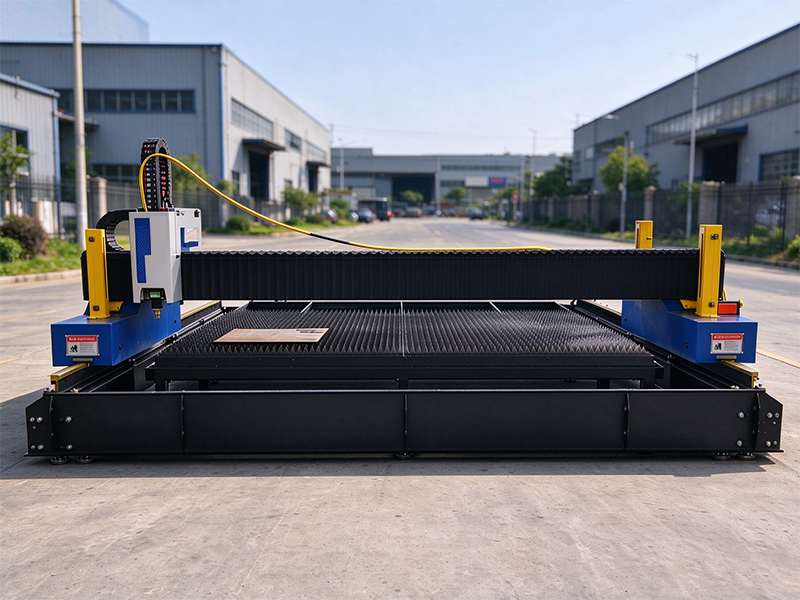
What Is a Sheet Metal Laser Cutter?
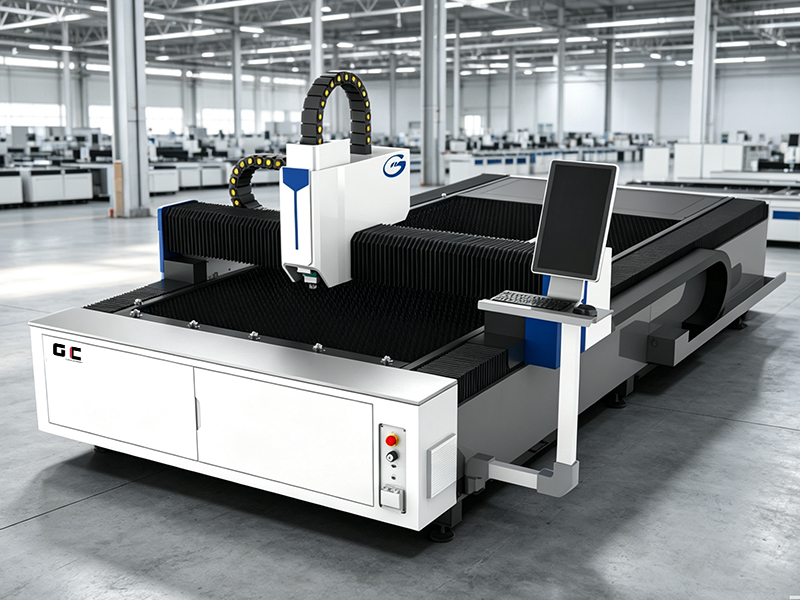
A sheet metal laser cutter is a CNC-controlled industrial machine that uses a focused high-energy laser beam to melt, vaporize, and blow away metal along programmed cutting paths. Unlike mechanical cutting tools, it touches the workpiece only with light. Assist gases — oxygen, nitrogen, or compressed air — remove molten slag and control edge oxidation during cutting.
Most modern sheet metal laser cutters are fiber laser models, with a wavelength of 1064 nm optimized for metal. CO₂ laser cutters are still available but are less popular for thin and medium sheet metal because fiber lasers run faster and use far less electricity for the same wattage.
Standard working sizes include 3015 (3000×1500 mm), 4020, and 6025, the most popular table formats for sheet metal workshops. Power options range from 1500W, 3000W, 6000W up to 12kW+ ultra-high power systems for thicker plates.
Key Advantages of a Sheet Metal Laser Cutter
1. High Precision & Repeatability
Sheet metal laser cutters hold tight tolerances, typically ±0.05 mm, ideal for complex brackets, enclosures, perforated panels, and parts that will bend, weld, or assemble together. Fine slots, small holes, intricate logos and decorative patterns are cut in one setup, no secondary drilling or tooling required.
2. Clean, Burr-Free Cutting Edges
With nitrogen cutting on stainless steel and aluminum, you get oxide-free, bright edges that often skip grinding and polishing. Oxygen cutting works great for mild carbon steel at lower gas cost, while air cutting keeps running expenses low for non-critical parts. Less post-processing directly cuts labor time and speeds up order turnaround.
3. Unbeatable Material Versatility
A single sheet metal laser cutter handles most common industrial metals:
- الفولاذ الطري / الفولاذ الكربوني
- Stainless steel 201, 304, 316
- سبائك الألومنيوم
- Brass, copper, galvanized sheet
- Titanium for aerospace-grade jobs
This flexibility is huge for job shops that receive mixed orders instead of only one metal type.
4. Less Material Waste & Lower Tooling Cost
No custom dies or punch tools are needed for new designs. Import your DXF or CAD file, run nesting software, and arrange parts tightly on the sheet to minimize scrap. For small-batch and prototype orders, this saves thousands compared with stamping tooling costs.
5. Faster Production for High-Mix Orders
Setup time between different jobs is minimal. You can switch from cabinet panels to signage brackets to automotive components in minutes. Many machines support automatic loading/unloading exchange tables, so the laser can keep cutting while operators prepare the next sheet batch.
التطبيقات الرئيسية لآلات قطع الصفائح المعدنية بالليزر
Sheet metal laser cutters serve a wide range of B2B industries:
- Electrical & cabinet manufacturing: server enclosures, control boxes, chassis panels
- HVAC: ventilation parts, duct components, air grilles
- Automotive: brackets, body accessories, exhaust parts
- Machinery & agricultural equipment: protective covers, support frames
- Architectural & decorative metal: facades, screens, metal signage
- Kitchen hardware, elevator parts, fitness equipment, and custom metal art
How to Choose the Right Sheet Metal Laser Cutter for Your Shop
Before buying, focus on these practical factors:
- طاقة الليزر: 1500W–3000W fits most thin sheet jobs (up to 6–8 mm steel); 6kW–12kW handles thicker plates and faster aluminum cutting.
- Working table size: 3015 is the most common all-rounder; 6025 suits large panels.
- Assist gas setup: Nitrogen generator or high-pressure nitrogen tank for stainless and aluminum; oxygen for carbon steel.
- نظام التحكم بالقطع باستخدام الحاسب الآلي (CNC): Stable, user-friendly software compatible with CAD/DXF nesting.
- Automation needs: Exchange table, automatic loading system if you run long unattended shifts.
- الدعم ما بعد البيع: Local service, spare parts supply, and training for your operators.
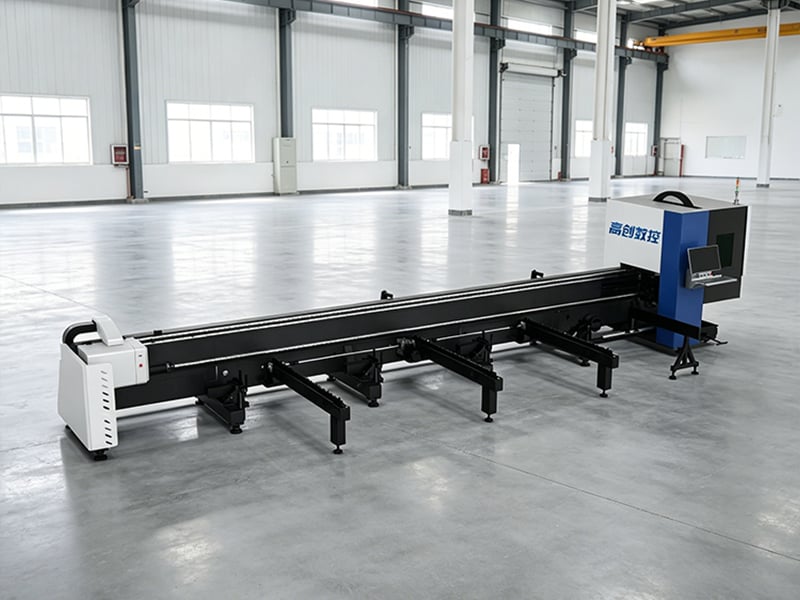
Quick tip: If your workshop also processes metal tubes, you can upgrade to a sheet and tube integrated laser cutter, but a standalone sheet metal laser cutter usually delivers better speed and value for sheet-only workloads.
Fiber Laser vs CO₂ Laser for Sheet Metal
For 90% of sheet metal fabricators today, fiber laser is the better choice: faster cutting speed, lower power consumption, stronger performance on reflective metals like aluminum and brass. CO₂ lasers still have advantages for very thick steel plates and non-metal materials, but they are slower and cost more to run for daily sheet metal production.
الأسئلة الشائعة
Q: Can a sheet metal laser cutter cut copper?
A: Yes. Copper is highly reflective, so you need higher fiber laser power and optimized cutting parameters to avoid reflection damage.
Q: Is laser cutting better than plasma cutting?
A: Laser cutting gives far better precision, narrower kerf and cleaner edges. Plasma is cheaper for rough thick plate cutting but usually requires heavy grinding afterward.
Q: What files do I need for laser cutting?
A: DXF is the standard; most laser control software also accepts DWG and AI files.
خاتمة
A reliable sheet metal laser cutter transforms your workflow from slow, labor-heavy cutting to streamlined digital manufacturing. It helps you quote complex custom jobs faster, reduce waste, deliver cleaner parts, and win more OEM and job-shop orders. If you are ready to upgrade your metal fabrication line, match the laser power and table size to your typical material thickness and order mix, and pick a manufacturer with solid global after-sales service.